In the food, dairy, and beverage industries, choosing the right valve is not just about controlling flow—it is about protecting your product integrity and optimizing your production time.
One of the most common questions we get from factory engineers and procurement managers is: “Is it really worth upgrading from a standard Single Seat Valve to a Sanitary Mixproof Valve?”
The price difference is noticeable, but so is the performance difference. While single seat valves are cost-effective for simple tasks, they come with limitations that can cost you more in the long run.
In this guide, we break down the technical differences, safety factors, and ROI (Return on Investment) of both valve types to help you make the best decision for your processing line.
What is a Sanitary Single Seat Valve?
A Sanitary Single Seat Valve is the workhorse of the hygienic processing industry. It is a simple shut-off or change-over valve with one seat sealing the plug against the body.
How it works: A single seat valve uses a single seal to separate the liquid in the pipeline. When the valve is closed, the seal prevents flow.
Pros:
Low Cost: Simple construction makes it affordable.
Easy Maintenance: Fewer moving parts mean it is easy to service.
Compact: Takes up less space in the piping system.
The Risk: The main limitation is that there is only one barrier between different fluids. If the seal fails due to wear or pressure spikes, the fluid in line A can mix with the fluid in line B. For this reason, you generally cannot clean one line while the other is running product—you risk cleaning chemicals mixing with your beverage or milk.
What is a Sanitary Mixproof Valve?
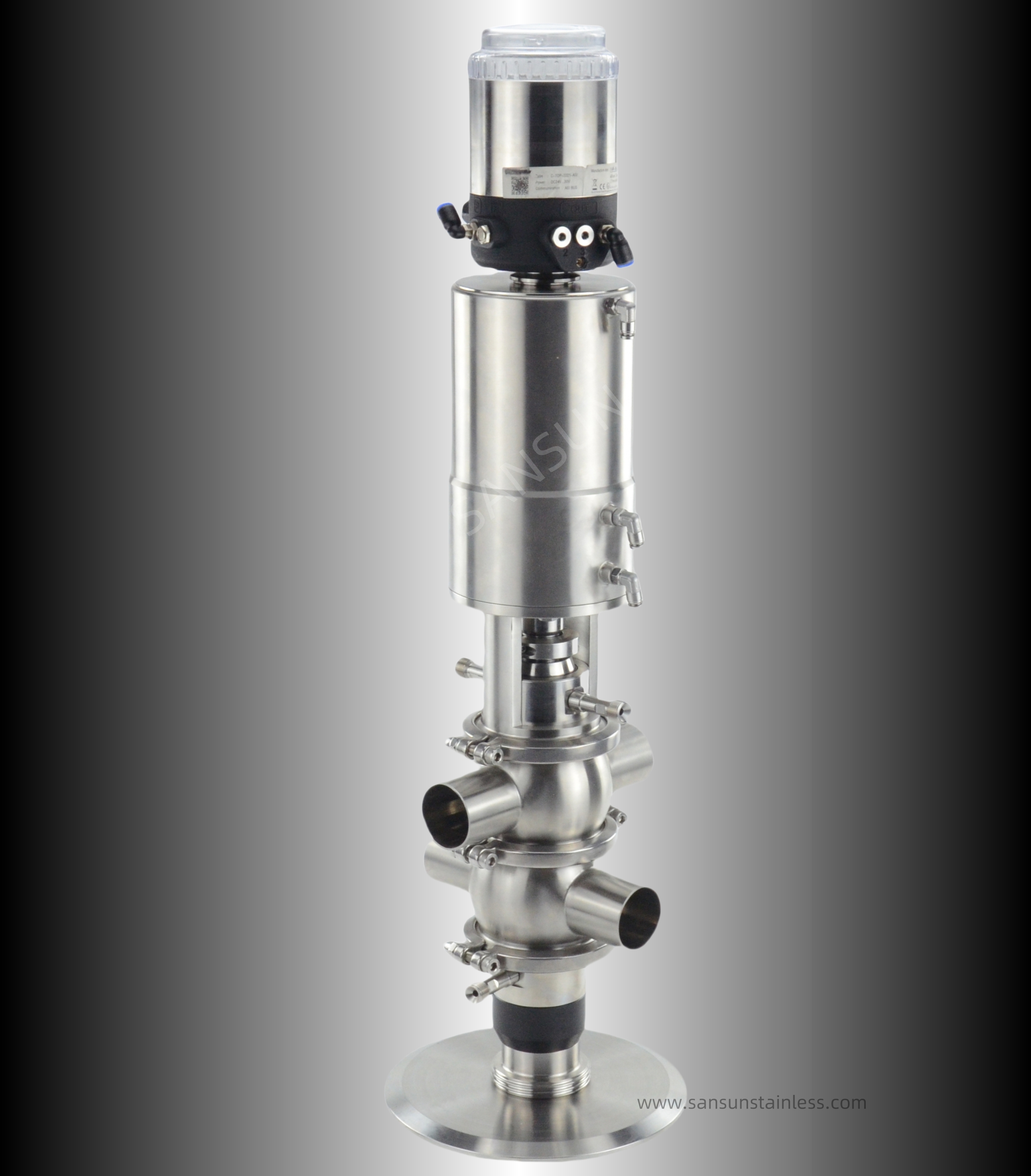
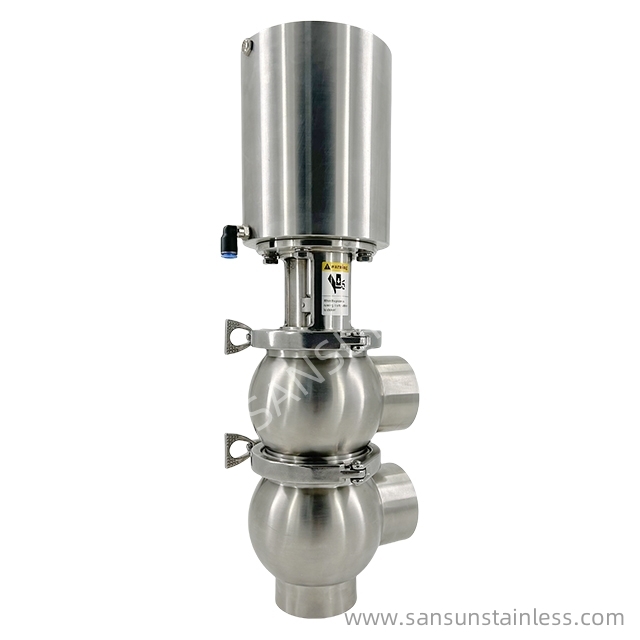
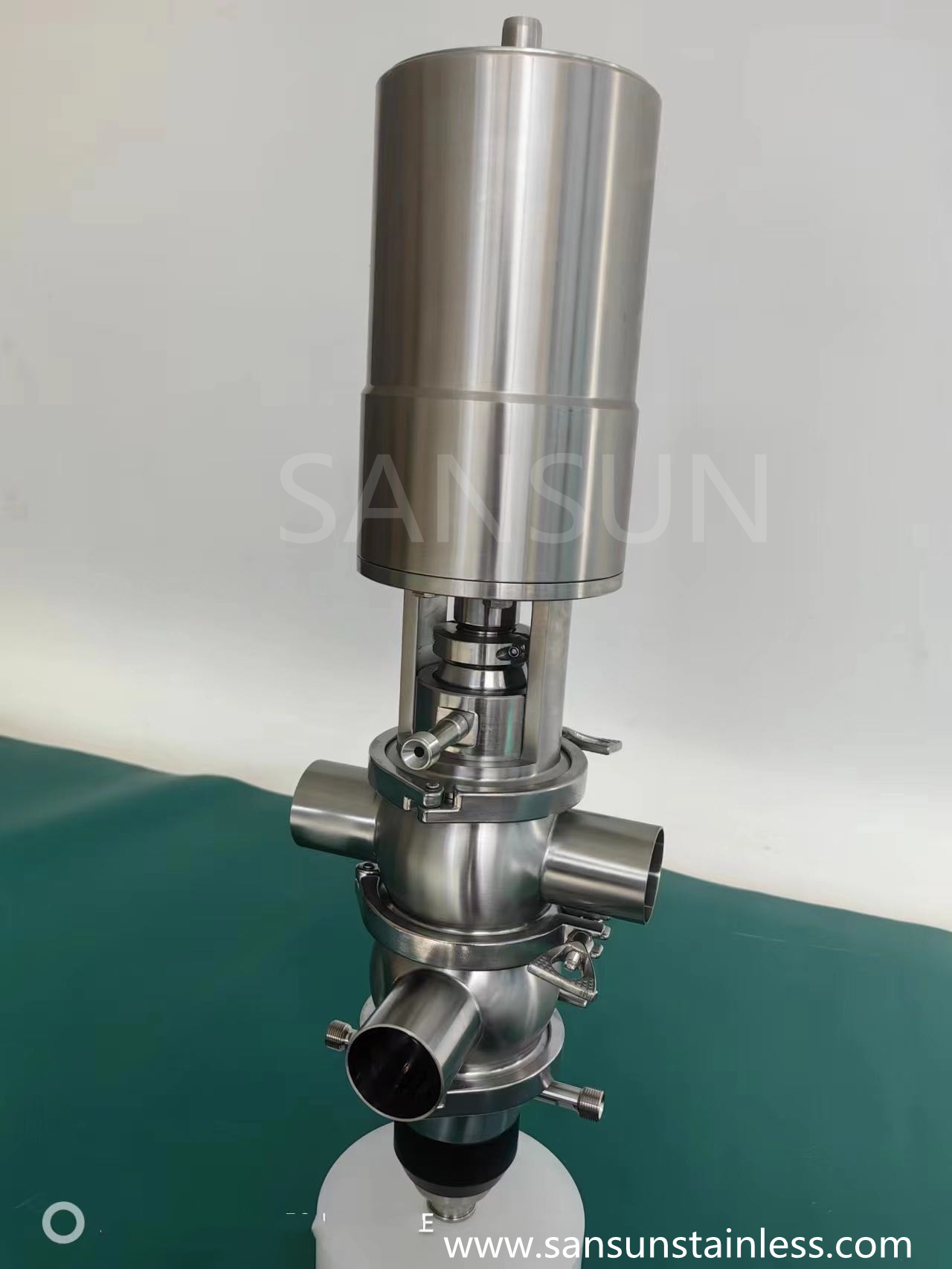
A Sanitary Mixproof Valve (often called a Double Seat Valve) is an advanced solution designed to separate two different products flowing through the same valve housing without any risk of cross-contamination.
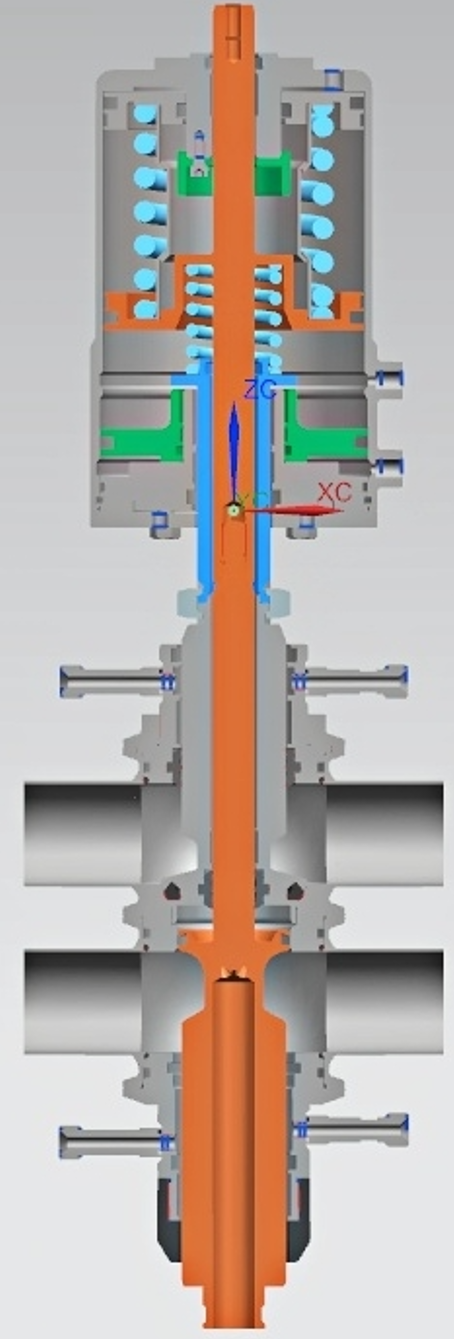
How it works: Unlike the single seat valve, the mixproof valve has two independent seats and a leakage chamber in between them.
Sectional view of the double seat mixproof valve
If a seal fails, the leaked liquid does not cross into the other pipe. Instead, it is directed into the atmospheric leakage chamber and drains out of the bottom of the valve. This gives the operator immediate visual indication of a leak, while the two fluids remain 100% separated.
Key Comparisons: Why Upgrade to Mixproof?
When deciding between the two, consider these three critical factors:
1. Safety & Cross-Contamination
Single Seat: Offers minimal protection. It relies entirely on the integrity of a single seal.
Mixproof: Offers maximum protection. The “Double Seat + Leakage Chamber” design creates a physical barrier. For high-value industries like pharmaceuticals or dairy, where a single batch contamination can cost thousands of dollars, this safety feature is non-negotiable.
2. Process Efficiency (The Game Changer)
This is where the Mixproof valve pays for itself.
With Single Seat Valves, you typically have to shut down a large section of your plant to perform CIP (Clean-in-Place) to avoid chemical contamination.
With Mixproof Valves, you can achieve Simultaneous Processing. You can run milk through the upper housing while running hot CIP fluid through the lower housing. This allows for 24/7 continuous production, significantly increasing your factory’s output capacity.
3. Valve Manifolds & Automation
Mixproof valves are the building blocks of modern Valve Matrices (Manifolds). Because they handle complex flow paths safely, you can automate your entire routing system, reducing manual hose connections and human error.
The Verdict: Which One Should You Choose?
Stick with a Single Seat Valve if:
You have a limited budget.
You are controlling simple flows (e.g., water or utilities).
Your production schedule allows for downtime to clean the entire system safely.
Cross-contamination risks are low or manageable.
Upgrade to a Sanitary Mixproof Valve if:
You are producing high-value products (Dairy, Brewery, Pharma, Cosmetics).
Efficiency is critical: You need to clean one tank while filling another.
You want to eliminate the risk of product recall due to contamination.
You are building an automated valve manifold.
Conclusion
While the initial investment for a sanitary mixproof valve is higher, the ability to run continuous production and the peace of mind regarding product safety often results in a higher ROI within the first year of operation.
At Sansun Stainless, we specialize in manufacturing high-quality sanitary valves that meet strict international standards. Whether you need a cost-effective single seat solution or a state-of-the-art mixproof matrix, we have the engineering expertise to support you.
Ready to upgrade your piping system? [Contact Us Today] to get a quote or discuss your technical requirements with our engineering team.
Born for Cleanliness: The “Anti-Mixing Hero” in Dairy Production
— SANSUN Double Seat Mixproof Valve Shines on a Milk Processing Line
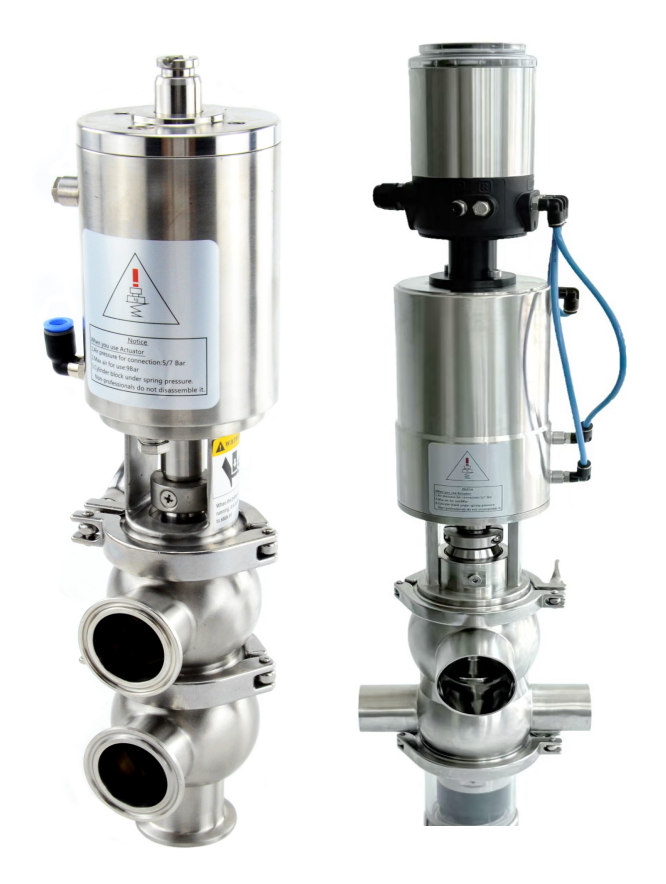
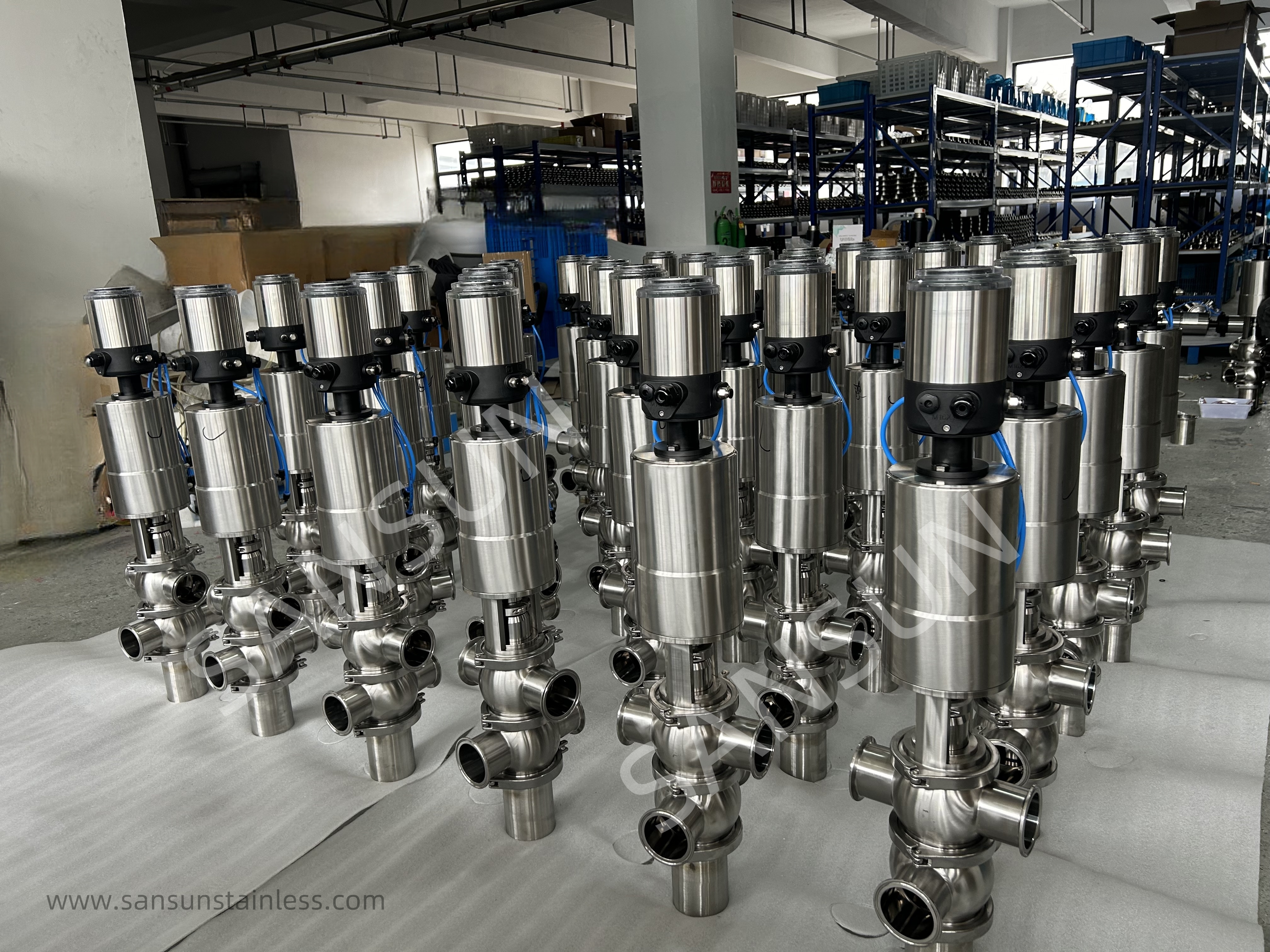
In modern dairy processing, food safety, efficient fluid switching, and intelligent automation are key indicators of a high-performance production line. Recently, a batch of Double Seat Mixproof Valves with ASI Communication Top Control Units from SANSUN successfully passed factory testing and are ready for delivery. These valves will serve as a critical component in a major international milk production line.
This shipment not only reflects our manufacturing excellence but also demonstrates the trust placed in SANSUN by the food industry for hygienic control and advanced automation.
Why Do Dairy Companies Choose SANSUN Mixproof Valves?
✅ Absolute Cross-Contamination Prevention
In milk processing, strict fluid separation is required during CIP cleaning, pasteurization, fermentation, and product transfer. SANSUN mixproof valves utilize a double-seat design with an independent leakage chamber to effectively eliminate any risk of cross-contamination, ensuring food safety at every step.
✅ ASI Smart Control Top Unit
Each valve is equipped with an ASI communication control head, enabling real-time digital monitoring. Whether integrated with PLC or operated remotely, the system offers precise status tracking, faster commissioning, and efficient maintenance.
✅ Hygienic Design to Meet Global Standards
Constructed from high-grade stainless steel and polished to mirror finish, the valves are free of dead angles and bacteria traps. Fully compliant with 3A and EHEDG standards, they are ideal for handling milk, fermented liquids, CIP agents, and more.
Project Highlights
Client: Global Dairy Processing Group
Application: Fluid switching & CIP isolation on milk lines
️ Quantity: Nearly 100 units, 100% tested and assembled
⏱️ Delivery Time: Completed within 3 weeks, on time and accurate
Engineered for Hygienic Excellence
In dairy factories, SANSUN’s mixproof valves serve not just as mechanical components, but as intelligent flow protectors. They ensure that every drop of milk flows with safety, and every process line runs with confidence.
Let’s Talk About Clean Valve Solutions
Looking for a reliable, hygienic, safe, and automation-friendly valve system for your dairy or beverage processing? We’re ready to support you with customized solutions and technical consultation.
Double Seat Mixproof Design to Prevent Cross Contamination
Two independent sealing seats with a leakage chamber in between ensure 100% physical separation of different fluids, effectively preventing cross contamination.
ASi Communication Control Head (Automation Ready)
Highly compatible with PLC and SCADA systems, enabling simplified wiring, rapid deployment, and remote diagnostics — an ideal choice for implementing Industry 4.0 in the pharmaceutical and beverage industries.
Hygienic Design
Made from AISI 316L stainless steel with an internal surface finish of Ra ≤ 0.8μm, suitable for CIP/SIP cleaning. Designed in compliance with 3A / FDA standards
Modular Structure & High Scalability
Valve body, control head, and interfaces support various customizations to fit different systems (welded, clamp, threaded connections, etc.).
Long Service Life & Easy Maintenance
The pneumatic actuator has been tested for over a million cycles. Seals are easy to replace, and spare parts have high compatibility.
Single Seat Valve is one of the constructive types of control pipeline valves. This is the most commonly used type of control valve for both continuous (analog) and discrete control of flow and pressure. Single Seat Valve perform this task by changing the flow rate of the medium through their flow area. The material of manufacture of reversing valve depends directly on the type of working medium with which the valve will come into contact. In reversing valves, a plunger serves as a movable element, which can be needle, rod or poppet. The plunger moves perpendicular to the flow axis of the medium through the seat (or saddles), changing the flow area. The most common ones are double-seat valves, since their shutter is well balanced, which allows them to be used for continuous pressure regulation up to 6.3 MPa in pipelines with a diameter of up to 300 mm, while using actuators of lower power than single-seat ones. Single-seated valves are most commonly used for small bore diameters due to their unbalanced plug. Also, the advantage of two-seat valves is that with such a design it is much easier to ensure the tightness required for shut-off and control valves using a plunger that has a special regulating profile for contact with one seat, and for fitting into another seat – a sealing surface for tighter contact.
Pneumatic Shut-off Valve is a pneumatic actuated hygienic single seat valve. It is operated automatically by a single acting or double acting air actuator, our Pneumatic shut-off and divert valve is widely used for the application such as food processing industry, beverage production, pharmaceutical and fine chemical industries etc. Sansun offers full line sanitary valves to reduce your budget and improve your business well etc. Hygienic Reversing Valve/ Hygienic Single Seat Valve/Sanitary Reversing Valve/ Sanitary Single Seat Valve. SINGLE SEAT VALVE SHUT-OFF SINGLE SEAT VALVE DIVERT SINGLE SEAT VALVE TANK BOTTOM SINGLE SEAT VALVE OVERFLOW SINGLE SEAT VALVE
DIVERT SINGLE SEAT VALVE
single seat valve with ASI top headTANK BOTTOM SINGLE SEAT VALVETANK BOTTOM SINGLE SEAT VALVE 02DIVERT SINGLE SEAT VALVE
Divert Seat Valve is one of the constructive types of control pipeline valves. This is the most commonly used type of control valve for both continuous (analog) and discrete control of flow and pressure.
Divert Seat Valve perform this task by changing the flow rate of the medium through their flow area. The material of manufacture of reversing valve depends directly on the type of working medium with which the valve will come into contact. In reversing valves, a plunger serves as a movable element, which can be needle, rod or poppet. The plunger moves perpendicular to the flow axis of the medium through the seat (or saddles), changing the flow area.
The most common ones are double-seat valves, since their shutter is well balanced, which allows them to be used for continuous pressure regulation up to 6.3 MPa in pipelines with a diameter of up to 300 mm, while using actuators of lower power than single-seat ones. Single-seated valves are most commonly used for small bore diameters due to their unbalanced plug.
Also, the advantage of two-seat valves is that with such a design it is much easier to ensure the tightness required for shut-off and control valves using a plunger that has a special regulating profile for contact with one seat, and for fitting into another seat – a sealing surface for tighter contact.
Pneumatic Shut-off Valve is a pneumatic actuated hygienic single seat valve. It is operated automatically by a single acting or double acting air actuator, our Pneumatic shut-off and diverter valve is widely used for the application such as food processing industry, beverage production, pharmaceutical and fine chemical industries etc. Sansun offers full line sanitary valves to reduce your budget and improve your business well etc.
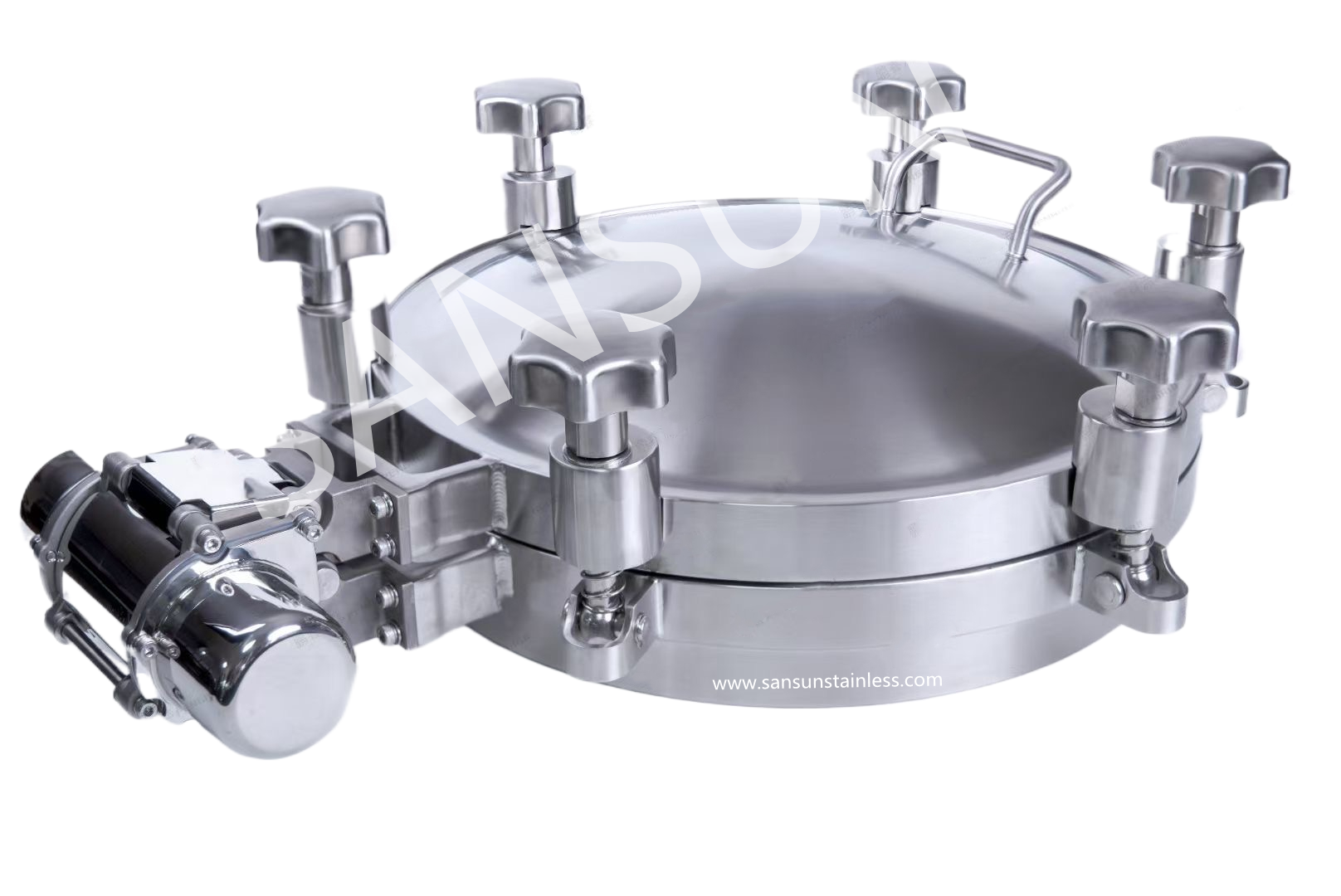
For large-sized stainless steel manways, the cover is quite heavy, making it very difficult for operators to handle.
After continuous research and experimentation, we have added a booster to the manway, allowing operators to easily open and close it. This can greatly improve work efficiency.
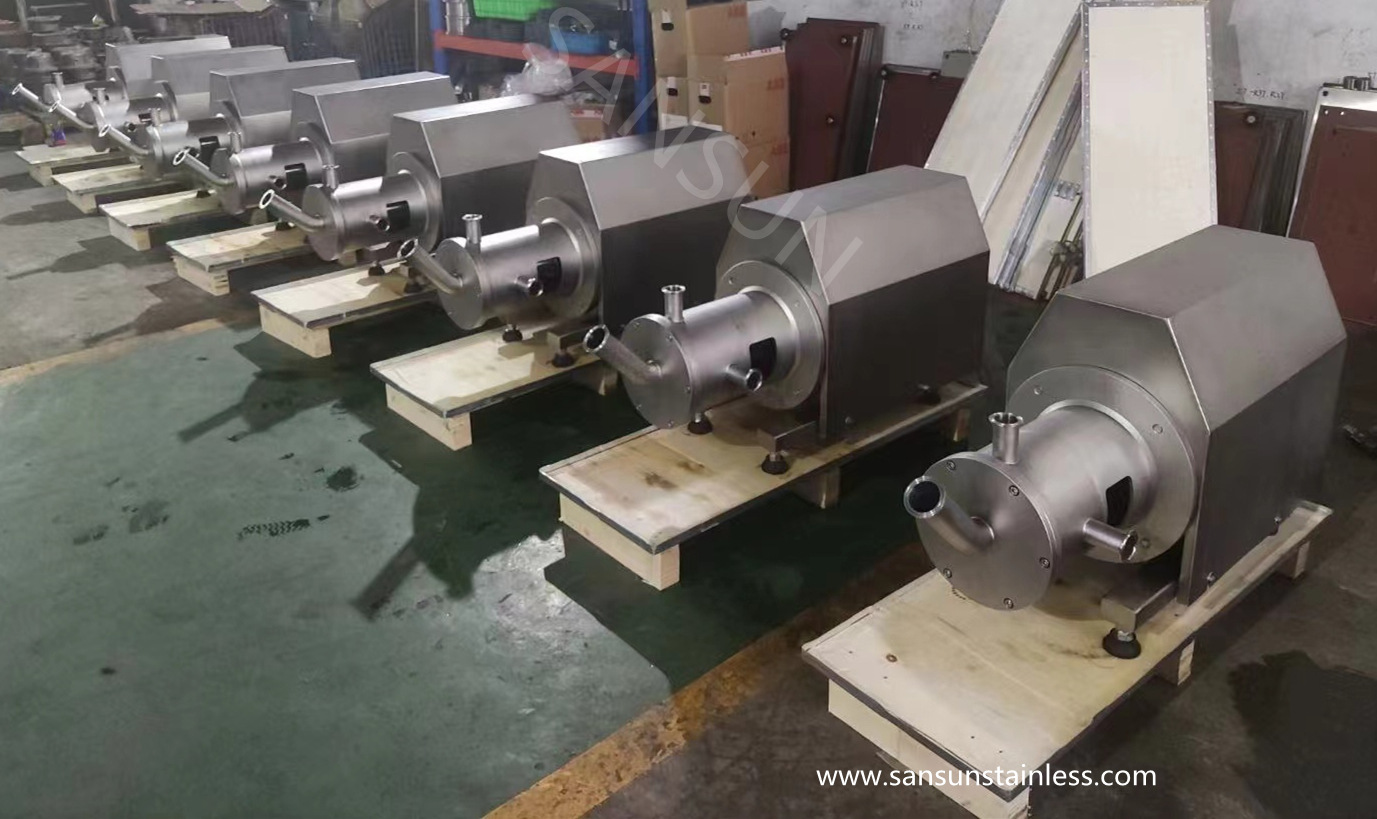
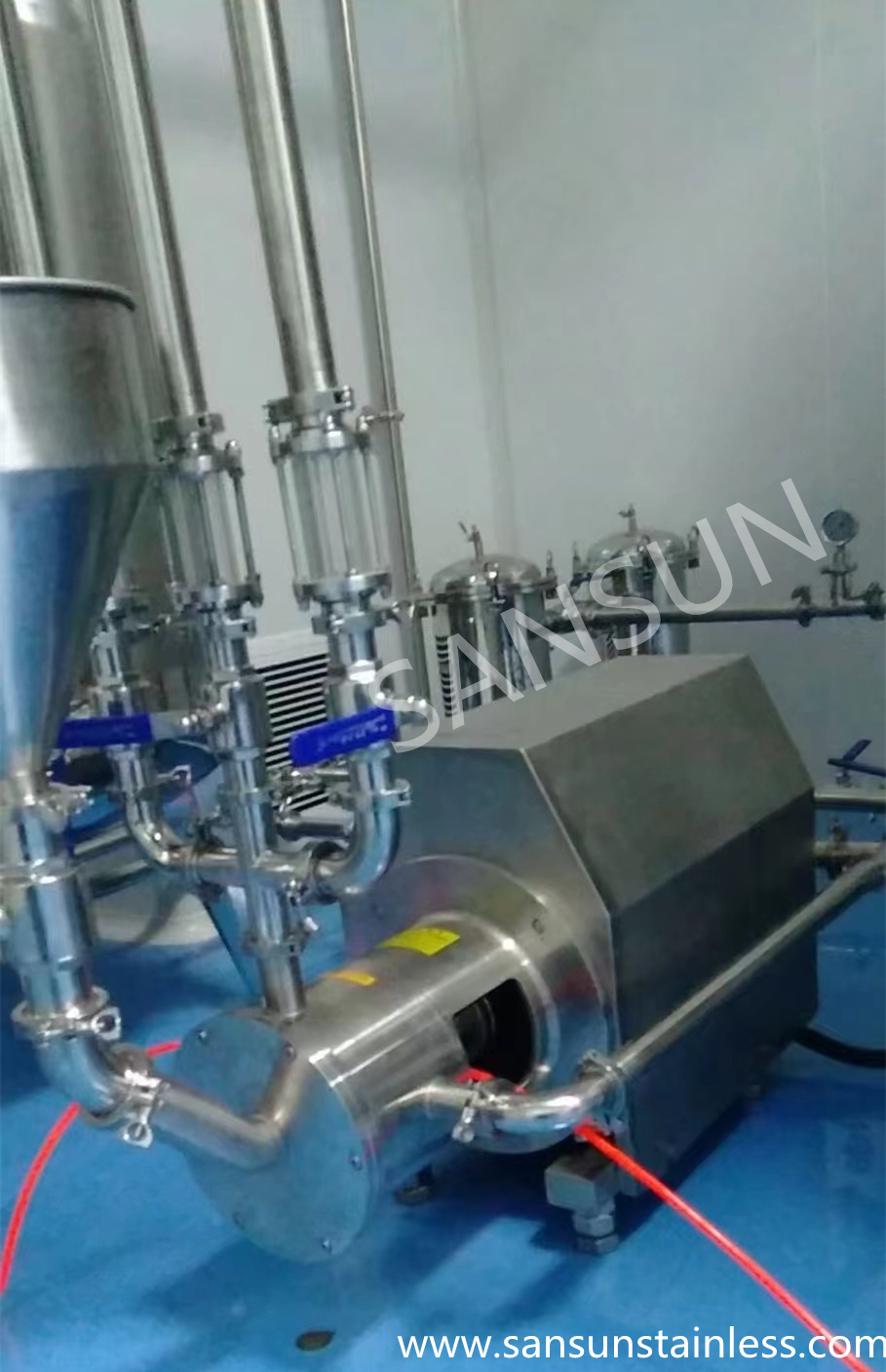
The stainless steel hygienic solid-liquid mixing pump is a specialized equipment designed for efficient mixing of powder-like solids with liquids. The system generates vacuum internally, allowing direct introduction of powder into the liquid flow. When powder and liquid enter the mixing chamber from different directions, the specific surface area increases sharply. Upon contact between the powder and liquid, the powder is completely wetted, preventing the formation of agglomerates. As there are no incompletely wetted powder particles, crust formation on the surface of the liquid flow, stirring shaft, and container wall is eliminated, resulting in further enhancement of product quality.
The stainless steel hygienic solid-liquid mixing pump features a material hopper for feeding, and a spacious platform that can accommodate more powdered materials, supporting rapid powder addition, feeding, wetting, and thorough, agglomerate-free dispersion mixing. The equipment adopts a modular structure, simplifying piping and process steps, and supporting the expansion of custom modules, suitable for large-scale powder dispersion.
Case Study: Application of Biobased Green Surfactants
Due to the tendency of glucose to form lumps after moisture absorption, it requires rapid dispersion mixing of powder and liquid. Therefore, choosing the stainless steel hygienic solid-liquid mixing pump enables rapid powder feeding, ensuring immediate and thorough wetting of glucose by the liquid followed by rapid dispersion.
In a real case scenario, 200-mesh glucose is fed through the solid-liquid mixing pump and rapidly dispersed into fatty alcohol ether at a working temperature ranging from 20 to 60°C, with a maximum flow rate of up to 40m³/h.
Sanitary Stainless Steel Ball Valve for grape wineSanitary Stainless Steel Ball Valve for grape wine 2
Sanitary Stainless Steel Ball Valve for distilled beverage。
Stainless Steel Ball Valve for grape wine-making industry
Sanitary Stainless Steel Ball Valve for hard liquor。 Sanitary ball valves are also called a hygienic ball valve which is opened by turning handles attached to balls inside the valves. The ball has a hole or port through the middle. When the port is in line with both ends of the valve, the flow will occur. When the valve is closed, the hole is perpendicular to the ends of the valve, and flow is blocked. A ball valve is durable and usually works to achieve perfect shutoff even after years of disuse.
sanitary ball valves are made of high-quality stainless steel, which can meet the special requirements of various media in the food and biopharmaceutical fields. The smooth, seamless, and automatic emptying of handicrafts is also very suitable for steam cleaning.
sanitary ball valve has many advantages such as removable connection, simple structure, and easy maintenance; sanitary ball valve rubber seals and valve plates are high-quality pieces to ensure the use of performance and service life;
sanitary ball valve can supply valve body and disc materials such as AISI 304 or AISI 316L, 304L and 316 materials according to your requests. This stainless steel hygienic ball valve is suitable for dairy, food, beer, beverage, pharmaceutical, cosmetics, and other industrial areas.
Our mixproof valve ensures safe and efficient flow management. Its double-seat design minimizes the risk of product contamination and guarantees spillage-free operation. The valve incorporates double lip seals for added protection and operates in a safe and hygienic manner. Maintenance is made easy and fast with the top-loaded design, and the valve does not require any adjustable components. It also features built-in leakage detection on all seals for peace of mind. In terms of cost-effectiveness.
Mixproof double seat valve is a series of physical and functional improvements that aim to enhance performance, extend durability and reduce the environmental impact.
Some internal and external aspects of the actuators have been redesigned to achieve that objective. Externally, the manufacturing has been streamlined with the aim of simplifying both assembly and maintenance.
The number of actuator variants has been reduced from 10 to 3 due to a new system of lanterns, which now have a measurement for each valve size and specific measurements for DIN and OD.
These lanterns have been redesigned by both reducing the number of screws required to assemble them and and also their size.
Internally, one of the piston’s runs has been significantly shortened, with the aim of reducing air consumption and shortening the lower seat’s opening and closing response time.
The springs have also been improved, extending their durability, and all dynamic seals are now of the “quad-ring” type.
he housings are made of one machined piece, with the aim of improving the structure and maintenance of valves in the manifolds.
The geometry of the seats and shafts has been redesigned to reduce the discharge of the cleaning product.
The upper and lower shafts open during CIP processes to clean the seals and internal part of the shaft, leading to a small amount of cleaning product flowing out, which is normally collected in the manifold tray. There are two reasons for reducing this amount of product to a minimum: product savings and pollution reduction。








 sanitary stainless steel valves and fittings manufacturer